Bed bugs and the stress of an infestation: what actually helps
By Ethan Silva · Updated 2026-07-16
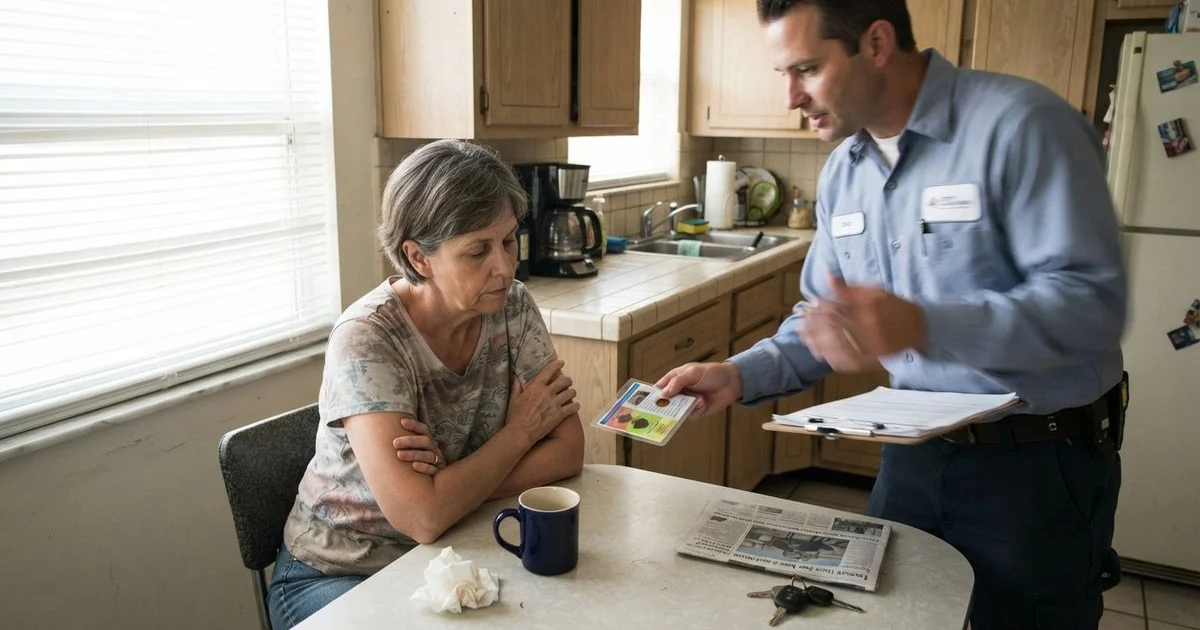
Bed bugs provoke a different kind of reaction than most household pests. An ant trail is an annoyance. A confirmed bed bug infestation tends to bring disrupted sleep, worry about spreading the problem to other rooms or other people, and often a layer of embarrassment that makes the whole situation feel heavier than the actual pest problem warrants.
Why bed bugs hit differently
They affect sleep directly. Unlike pests that live outside or in less personal spaces, bed bugs live in the place you rest, which makes the anxiety harder to set aside even after treatment begins.
They spread easily and invisibly. Bed bugs travel in luggage, furniture, and clothing, which creates a specific fear of unknowingly carrying them to a friend’s house, a workplace, or a hotel room, on top of the fear of them spreading to other rooms at home.
They carry social stigma that is mostly unearned. Bed bugs are not a sign of an unclean home, they travel through contact with infested items regardless of how tidy a space is, but the stigma persists anyway, which makes people reluctant to tell landlords, roommates, or guests even when doing so would help.
What actually helps reduce the stress
Get a clear, specific treatment plan. Ask your provider exactly what will happen, how many visits, what to expect between them, and what signs indicate the treatment is working. Uncertainty tends to drive anxiety more than the infestation itself.
Tell the people who need to know. Landlords, in most cases, need to be notified both because it may be a lease requirement and because addressing a bed bug problem in one unit quickly limits it from spreading to neighboring units. Close contacts who may have been exposed, recent overnight guests, deserve a heads up so they can check their own space.
Use encasements as a control measure, not just a precaution. A properly fitted mattress and box spring encasement traps existing bugs and prevents new ones from getting in, which gives a concrete, visible action to take that supports the treatment already underway.
Separate the practical timeline from the emotional one. Chemical treatments often need a follow-up visit two to three weeks after the first, and it is normal to still feel anxious in that window even though the treatment is proceeding as expected. Knowing that gap is normal helps.

A realistic timeline to expect
| Stage | What is happening | Typical timing |
|---|---|---|
| Initial treatment | Heat or chemical treatment applied to affected areas | Day of first visit |
| Waiting period | Newly hatched bugs may still appear as eggs mature | First 2-3 weeks |
| Follow-up treatment | Addresses anything that hatched after the first visit | Roughly 2-3 weeks after initial visit |
| Confirmation | Provider confirms no new activity | After follow-up, sometimes with a second check |
Knowing this timeline in advance tends to reduce the sense that something has gone wrong if bites or a bug or two still appear in the first couple of weeks, that is a known part of the process, not a sign of treatment failure.
When the stress itself needs more support
For most people, clear information and a visible treatment plan are enough to get through an infestation without lasting effects. If anxiety about bed bugs is significantly disrupting sleep, daily functioning, or causing ongoing distress well after treatment is confirmed complete, that is worth discussing with a healthcare provider, since persistent anxiety after a resolved infestation is a recognized reaction some people experience and is treatable.
To find local providers experienced with bed bug treatment in the Tampa area, the bed bug control category lists relevant options.
For more on how this directory reviews and scores local providers, see the ranking methodology. Visit the homepage for other Tampa pest topics.
Frequently asked questions
- Why do bed bugs feel more distressing than other pests?
- Bed bugs affect sleep directly, spread easily to belongings and other rooms, and carry social stigma that ants or spiders do not, and that combination of disrupted rest, fear of spreading the problem, and embarrassment about the situation tends to compound the stress beyond what the infestation itself would otherwise cause.
- Is it normal to feel anxious or unable to sleep well after finding bed bugs?
- Yes, this is a common reaction, and clear communication from your treatment provider about what is being done and what to expect tends to reduce that anxiety more than almost anything else, since much of the distress comes from uncertainty about whether the problem is actually being resolved.
- Do I need to tell my landlord, roommates, or guests?
- In most rental situations, yes, notifying a landlord promptly is both a practical step toward getting it treated and often a lease obligation, and letting close contacts know allows them to check their own space, which contains the problem rather than letting it spread quietly.
- How do I know the treatment actually worked?
- Ask your provider what signs indicate success, no new bites, no live bugs found during a follow-up inspection, and schedule that follow-up rather than assuming the problem is resolved just because visible activity has stopped for a week or two.