Commercial pest control pricing: what drives the cost of a contract
By Ethan Silva · Updated 2026-06-13
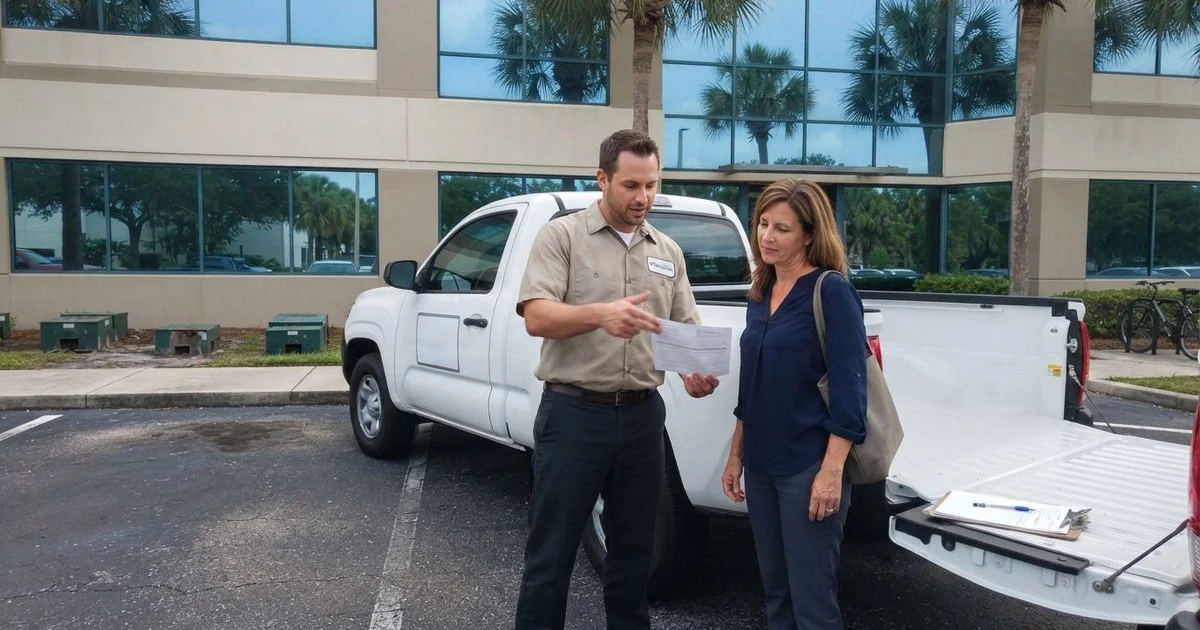
Commercial pest control is priced differently than a residential quarterly plan, mostly because the stakes and documentation needs are different. A restaurant failing a health inspection over pest activity has a different cost of failure than a homeowner seeing an occasional ant trail, and pricing reflects that.
What drives commercial pricing
Facility size and layout. Square footage matters, but so does layout complexity, a single-story retail space is a simpler job than a multi-building warehouse campus or a commercial kitchen with extensive plumbing runs.
Industry type. Food service, healthcare, and hospitality businesses typically need more frequent visits and more thorough documentation than a general office space, since they face stricter health and safety inspection requirements.
Visit frequency. Monthly service is standard for many commercial accounts, though high-risk facilities like restaurants sometimes go more frequent. More visits per year means a higher annual cost, but often a lower per-visit rate than sporadic one-off calls.
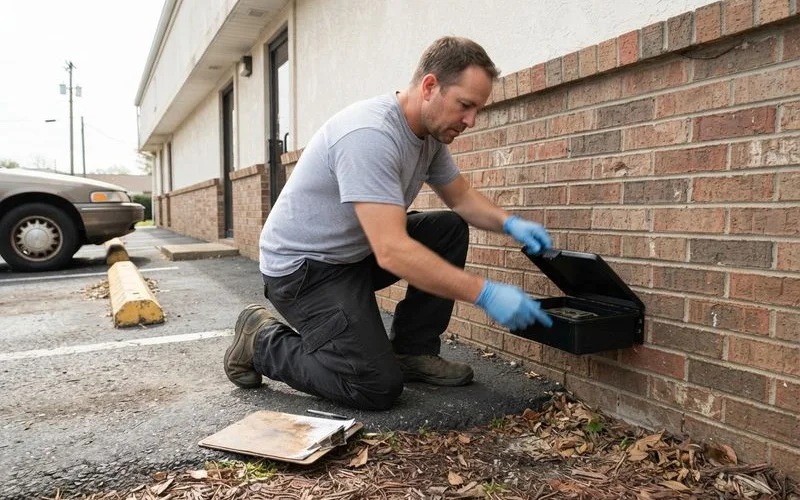
Scope of coverage. A basic contract might cover general pests only. Adding rodent bait station monitoring, fly control, termite protection for the building, or bed bug response for a hotel or multifamily property each adds to the price.
Contract length and terms. Longer commitments sometimes come with a lower rate, but read the cancellation terms closely, since business needs change and a contract that is expensive to exit early limits your flexibility if service quality slips.
How commercial contracts are typically structured
| Element | What it covers | Why it affects price |
|---|---|---|
| Base service visit | Interior and exterior inspection, general pest treatment | Scales with square footage and frequency |
| Documentation package | Service logs, activity reports for inspections | More detailed reporting for regulated industries costs more |
| Specialty add-ons | Bait station monitoring, fly control, termite protection | Each add-on is typically a separate line item |
| Emergency response | Same-day or after-hours call-outs for active issues | Usually billed separately from the standard contract |
Exact commercial pricing varies more than residential pricing does, since facility type and risk level differ so much between a small office and a full-service restaurant. Getting two or three quotes with the same scope of work spelled out is the most reliable way to compare real numbers for your specific business.
How billing typically works
Most commercial contracts bill monthly regardless of visit frequency, spreading the annual cost evenly rather than charging per visit as it happens, which makes budgeting easier for a business with predictable overhead. Annual contracts sometimes offer a modest discount over month-to-month billing, but confirm what happens to that rate if you need to cancel partway through the year, since the discount is sometimes clawed back or an early termination fee applies. Ask whether invoices are itemized by location for multi-site businesses, which matters if different departments or property managers need to see separate costs.
Questions to ask before signing
- Does the quoted price include a documentation or reporting package, or is that extra?
- What is included in the base visit versus billed as an add-on, bait stations, fly control, termite coverage?
- How is an active infestation between scheduled visits handled, is emergency response included or billed separately?
- What is the cancellation or renewal process, and is there an early termination fee?
- Can visit frequency flex seasonally without renegotiating the whole contract?
Comparing quotes fairly
The biggest mistake in comparing commercial pest control quotes is comparing two different scopes of work as if they were the same price point. A $150 monthly quote that excludes documentation and rodent monitoring is not necessarily cheaper than a $220 monthly quote that includes both, once you account for what you would otherwise pay separately or risk during an inspection. Ask each provider for a written, itemized scope before comparing numbers, and see our guide to choosing a commercial pest control provider for what else to check beyond price.
If you are gathering quotes for a business in the Tampa area, the commercial pest control category lists local providers with relevant service details.
For more on how this directory scores and ranks providers, see the ranking methodology, or return to the homepage for other pest topics.
Frequently asked questions
- Is commercial pest control more expensive than residential?
- Usually yes, per visit, since commercial contracts often include more frequent service, documentation for health inspections, and coverage for a larger or more complex space, but the per-square-foot cost can be comparable or lower for large facilities served under one contract.
- How is commercial pricing usually structured?
- Most providers quote a recurring service fee based on facility size, industry type, and visit frequency, sometimes with a separate line item for specific needs like rodent bait station monitoring, fly control, or termite protection for the building structure.
- What documentation should a commercial contract include?
- Ask for a service log after every visit, a pest activity report, and documentation that meets your industry's inspection requirements, since food service and healthcare facilities in particular may need to show this to a health inspector or auditor.
- Can a commercial contract be adjusted if pest pressure changes seasonally?
- Many providers allow adjusted visit frequency during high-pressure seasons, like extra rodent monitoring in cooler months or added mosquito control in summer, so it is worth asking whether the contract has that flexibility built in or if it requires a separate request.