Landlord and tenant pest control responsibilities in Florida
By Ethan Silva · Updated 2026-07-02
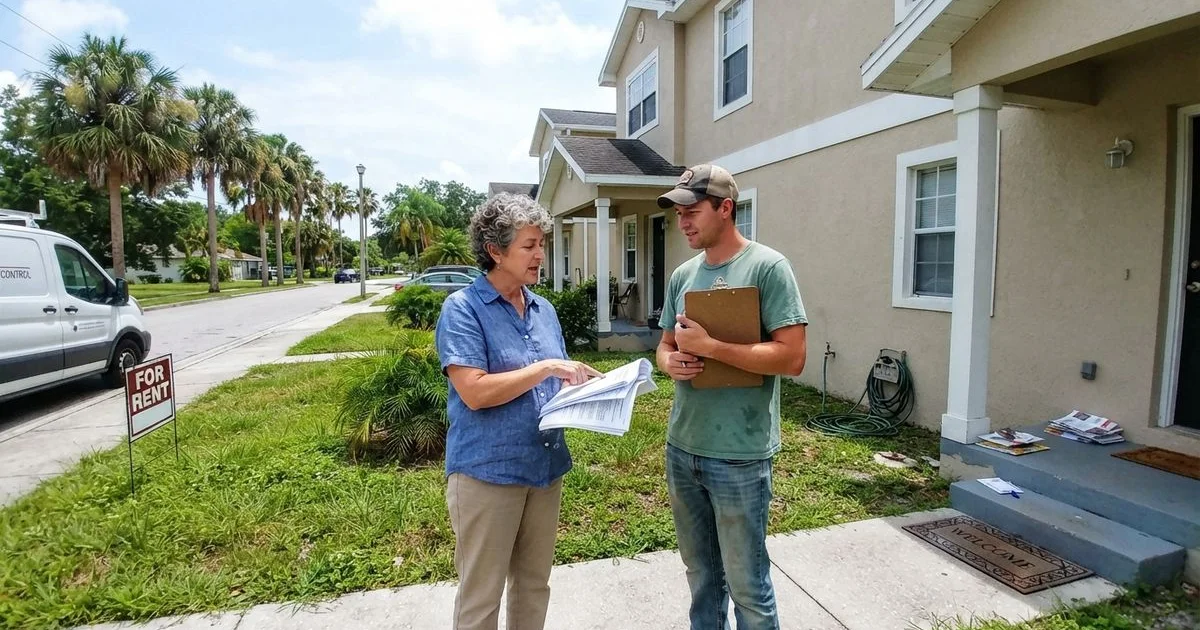
Pest problems in a rental raise a question that is not always as simple as it sounds: who is actually responsible for fixing it. Florida law gives a general framework, but the details often come down to lease language and property type.
This is general information about Florida landlord-tenant law, not legal advice for your specific lease or situation. A local attorney or legal aid organization can advise on your specific circumstances.
The general rule
Florida’s residential landlord-tenant statute requires landlords to maintain rental property in habitable condition, and pest infestations are widely treated as a habitability issue when they are severe enough to affect health or safety, not an isolated ant sighting. This baseline expectation applies broadly across most rental housing.
Where it gets more specific: property type matters
Florida law draws a distinction that surprises a lot of renters: for single-family homes and duplexes specifically, a lease can shift pest control responsibility to the tenant if it says so in writing. For most other residential rental types, apartment buildings and larger complexes in particular, that flexibility is narrower, and the landlord more typically retains responsibility for structural pest issues.
| Property type | Typical default | Can the lease change it? |
|---|---|---|
| Single-family home or duplex | Often assignable to tenant if lease specifies | Yes, with clear lease language |
| Apartment or multi-unit building | Landlord more typically responsible | Narrower flexibility to shift to tenant |
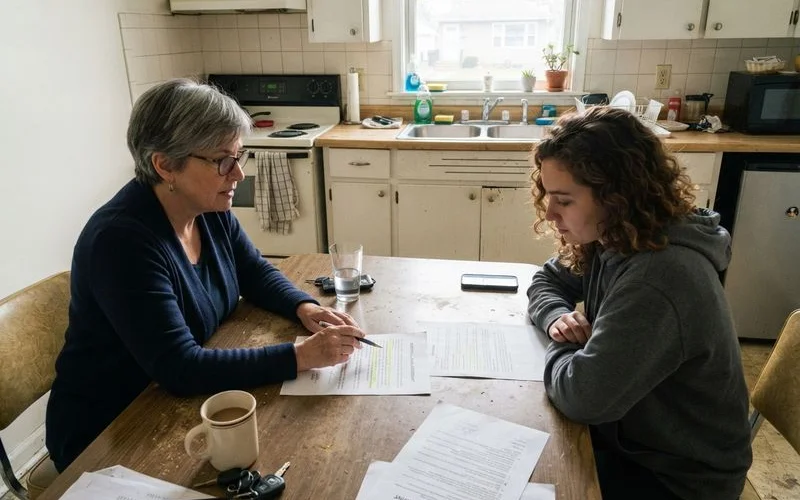
Because of this, the actual lease document matters more than a general rule of thumb. Read the pest control clause specifically rather than assuming based on what a friend’s lease says, since terms vary meaningfully between properties.
What tenants should do if a problem goes unaddressed
- Document everything. Photos, dates, and a written log of when you noticed activity and reported it.
- Notify the landlord in writing. Email or a dated letter creates a record that a phone call does not. Keep a copy for yourself.
- Give a reasonable window for response, then follow up in writing again if nothing happens.
- Understand the formal notice process before withholding rent. Florida law has specific requirements for notice periods and procedures before a tenant can pursue remedies like repair-and-deduct or rent withholding, and skipping these steps can undermine a tenant’s position. This is a point where getting guidance from legal aid or an attorney before acting is genuinely worth it.
Move-in inspections protect both sides
A written, dated move-in inspection that notes any existing pest evidence protects both parties later. For a tenant, it establishes that a problem found six months into a lease was not present at move-in, supporting a request for the landlord to address it. For a landlord, it establishes a baseline that helps distinguish a pre-existing issue from one that developed during the tenancy, which matters if a dispute over responsibility comes up later. Photograph any signs of prior treatment, bait stations, or visible activity as part of that walkthrough, not just general condition of the unit.
What landlords should consider
Beyond the legal minimum, addressing pest issues promptly protects the property itself, an unaddressed rodent or termite problem in one unit can spread to others in multi-unit buildings, and documented habitability complaints that go unresolved can become costly disputes later. A standing pest control contract for common areas and prompt response to unit-level reports is generally cheaper than a habitability dispute or turnover caused by an unresolved infestation.
When to involve a professional versus handling it directly
Ant trails or an occasional spider are often reasonable for either party to address informally. Termites, bed bugs, rodents, or any recurring infestation typically warrant a licensed provider regardless of who pays, since DIY treatment for these specific pests tends to be less effective and can delay a proper fix while the underlying problem continues.
To find licensed providers serving rental properties in the Tampa area for whichever pest issue applies, browse the pest control category options on this directory’s homepage.
For more on how this directory reviews and scores local providers, see the ranking methodology.
Frequently asked questions
- Is pest control the landlord's or the tenant's responsibility in Florida?
- Florida's landlord-tenant statute generally requires landlords to maintain rental property in a habitable condition, which is widely understood to include addressing pest infestations, though single-family home leases can shift some pest control duties to the tenant if the lease says so explicitly.
- Can a landlord require a tenant to pay for pest control?
- For single-family homes and duplexes, Florida law allows the lease to assign pest control responsibility to the tenant. For most other rental types, that flexibility is narrower, and habitability obligations more often fall on the landlord. Check your specific lease language, since it controls the details.
- What should a tenant do if a landlord won't address a pest problem?
- Document the problem in writing, including photos and dates, notify the landlord in writing and keep a copy, and if the problem continues, Florida law provides a formal notice process before withholding rent or pursuing other remedies, a step that should be handled carefully and ideally with legal guidance.
- Can a tenant call a pest control company directly without landlord approval?
- Generally tenants should not authorize and pay for service themselves and expect reimbursement without agreement from the landlord first, since disputes over unauthorized repairs or services are common; written communication with the landlord before booking protects both sides.