WDO inspections and Florida home sales: what buyers and sellers need to know
By Ethan Silva · Updated 2026-06-16
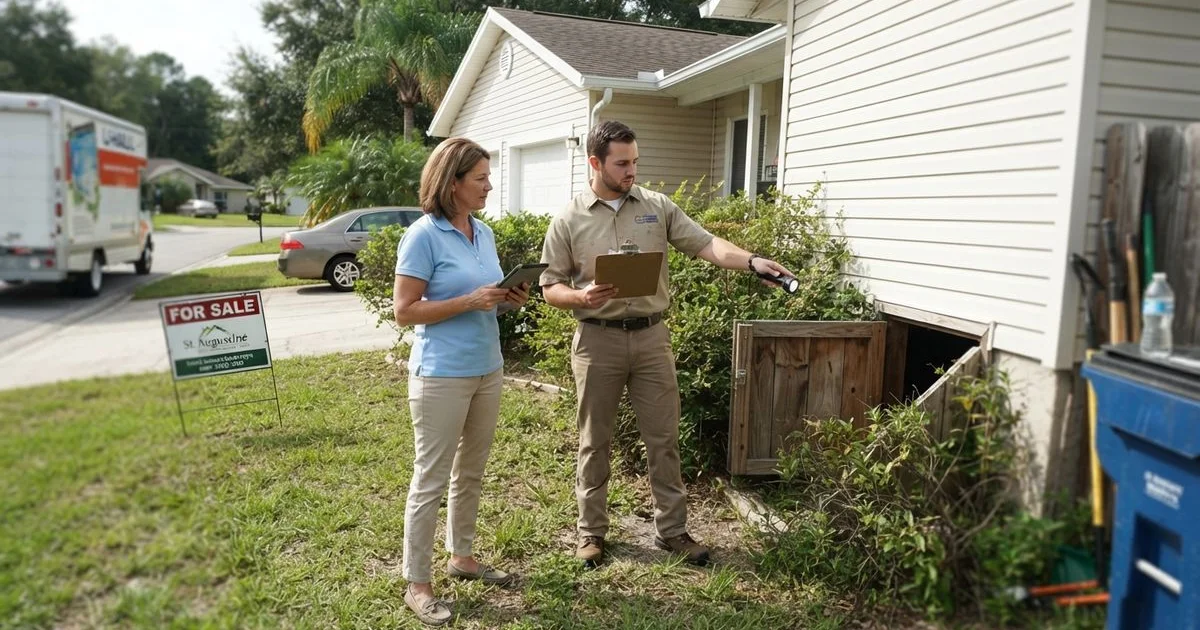
If you are buying or selling a home in Florida, a wood-destroying organism inspection will very likely come up somewhere in the transaction, sometimes required by the lender, sometimes requested by the buyer, and occasionally overlooked until it becomes a last-minute scramble before closing. Here is how it actually fits into the sale process.
What the inspection covers, briefly
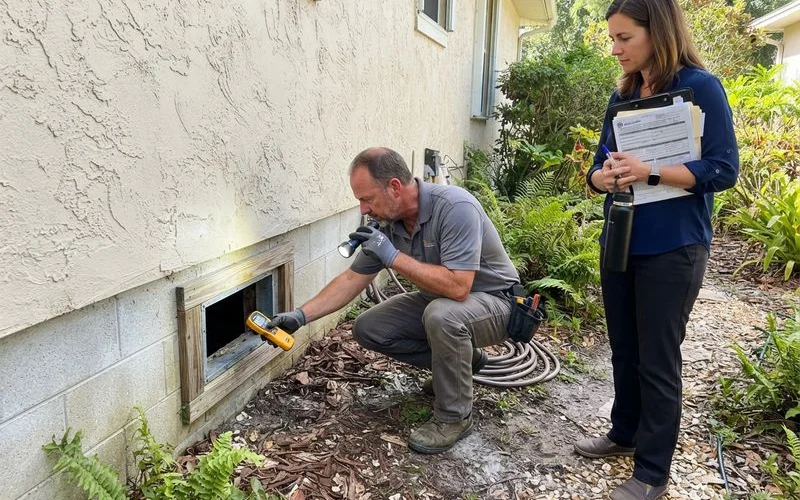
A WDO inspection report documents evidence of termites, wood-boring beetles, and wood-decay fungi found during a visual inspection of accessible areas of a structure. It is a snapshot: what an inspector could see and access on the day of the visit, not a guarantee about hidden conditions inside walls or under slabs.
Where it fits in a Florida real estate transaction
Florida’s warm, humid climate keeps subterranean and drywood termite activity fairly constant year-round, which is part of why WDO inspections show up so often in local sales, even when a buyer or seller from a colder climate might not expect one.
Timing. The inspection is usually ordered during the due diligence or inspection period, often alongside a general home inspection, so findings can be factored into repair negotiations before the deal closes.
Financing triggers. Some loan programs require a WDO inspection before closing, most notably VA loans, which also require the seller, not the buyer, to pay for it. Conventional and FHA loans do not always mandate one, but many lenders and buyers request it anyway given how common termite activity is in Florida.
Who typically pays. Outside of VA loan requirements, payment is negotiable and often set by local custom or the purchase contract. In much of the Tampa area it is common for buyers to order and pay for the inspection as part of their due diligence, though sellers sometimes get one done proactively to head off surprises.
What the report can turn up
| Finding | What it typically means for the transaction |
|---|---|
| No visible evidence | Report comes back clean; deal generally proceeds without treatment negotiation |
| Prior treatment evidence, no active infestation | Often noted but does not usually stall closing; buyer may ask about treatment history and any bond |
| Active infestation found | Treatment is typically negotiated as a repair item, sometimes with a price credit or seller-funded treatment before closing |
| Structural damage found | May require a licensed contractor estimate alongside the pest treatment, since repair costs are separate from termite treatment costs |
Negotiating findings between buyer and seller
When a report turns up something more than a clean bill, the resolution usually takes one of a few forms: the seller pays for treatment before closing, the seller credits the buyer cash to handle it after closing, or the parties split the cost. Structural repair costs from damage are typically negotiated separately from the pest treatment itself, since they usually require a contractor rather than a pest control company. Homeowners insurance almost never picks up any of this; our guide on whether termite damage is covered by homeowners insurance in Florida explains why and what most owners rely on instead.
If a home has an existing termite bond or warranty, ask whether it transfers to the new owner. Some do automatically with a transfer fee; others require the incoming buyer to requalify or restart. This is worth confirming before closing, since a lapsed bond means starting protection from scratch.
After closing: what a clean report does not tell you
A passing WDO report is a point-in-time finding, not ongoing protection. Given how consistent termite pressure is in Florida, many new homeowners choose to start or continue a treatment plan, a termite bond, or at minimum an annual inspection schedule shortly after moving in, rather than assuming a clean report at closing means the home is protected going forward.
If you are researching termite providers who handle inspections and treatment in the Tampa area, the termite control category lists local options with relevant service details.
This guide covers general information about how WDO inspections typically function in Florida real estate transactions, not legal or contract advice for your specific sale; a real estate attorney or your agent can advise on how findings should be handled in your contract.
For more on how providers in this directory are reviewed, see the ranking methodology. Visit the homepage for other Tampa pest topics.
Frequently asked questions
- Who pays for the WDO inspection, buyer or seller?
- It varies by contract and is negotiable, though in much of Florida it is common for the buyer to order and pay for the inspection, sometimes as a condition of financing, while VA loans specifically require the seller to cover it.
- How long does a WDO inspection take?
- A typical single-family home inspection takes roughly thirty minutes to an hour, covering accessible areas like the attic, crawlspace or slab perimeter, and visible wood framing, though larger or more complex properties can take longer.
- What happens if the report finds active termites or damage?
- The report documents what was found, then the buyer and seller typically negotiate who handles treatment and repairs, sometimes through a price credit, a seller-funded repair before closing, or the seller providing a treatment warranty going forward.
- Does a clean WDO report mean the home is termite-free forever?
- No. It reflects visible conditions at the time of inspection only. Florida's climate keeps termite pressure fairly constant, so many buyers pair the inspection findings with an ongoing treatment plan or termite bond rather than treating a clean report as permanent protection.
Related on this site
- Browse termite control & inspection providers
- Is termite damage covered by homeowners insurance in Florida?
- Preparing your home for termite swarming season in Florida
- Pest control licensing in Florida: how to verify a company is legit
- Landlord and tenant pest control responsibilities in Florida
- All guides →