What to expect from a pest control inspection, step by step
By Ethan Silva · Updated 2026-06-27
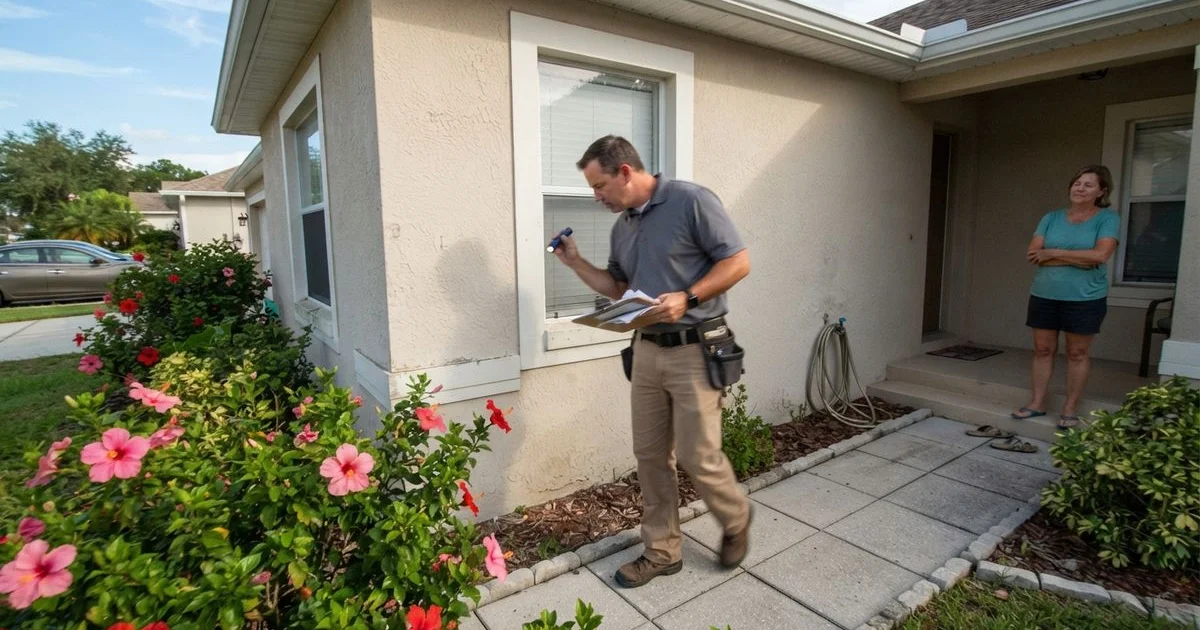
The first pest control visit sets the tone for everything after it, this is when the technician learns your property, identifies the actual problem, and treats it for the first time. Knowing what typically happens step by step makes the visit less of a mystery and helps you get more value from it.
Before the technician arrives
Most companies ask you to do a few things ahead of time: clear access to baseboards and areas under sinks, note where you have seen activity, and secure or temporarily move pets if the technician needs access to a room they are in. If you have a list of specific concerns, ants in the kitchen, spiders in the garage, having it ready saves time and focuses the visit.
The inspection
A technician typically walks the interior and exterior of the property, checking common entry points (door thresholds, utility penetrations, foundation gaps), moisture-prone areas, and any spots you flagged. For general pest control, this usually takes a portion of the total visit time; specialty inspections, termite or wildlife, tend to take longer since they cover the attic, crawlspace, or roofline in more detail.
The treatment
Once the inspection identifies problem areas, treatment follows, commonly a combination of:
- Exterior perimeter treatment around the foundation and entry points
- Interior spot treatment in kitchens, bathrooms, and other pest-prone areas, often baseboards and cracks rather than open spraying
- Bait placement for ants or roaches in areas inaccessible to children and pets
- Web and nest removal for spiders and wasps, if present
| Visit stage | Typical duration | What happens |
|---|---|---|
| Inspection | 10-20 minutes | Walk the interior and exterior, identify problem areas |
| Treatment | 20-40 minutes | Apply product to identified areas, place bait if needed |
| Wrap-up | 5-10 minutes | Technician explains findings, answers questions, schedules next visit |
Total time for a standard home commonly runs thirty minutes to an hour, though larger homes or more extensive activity can extend that.
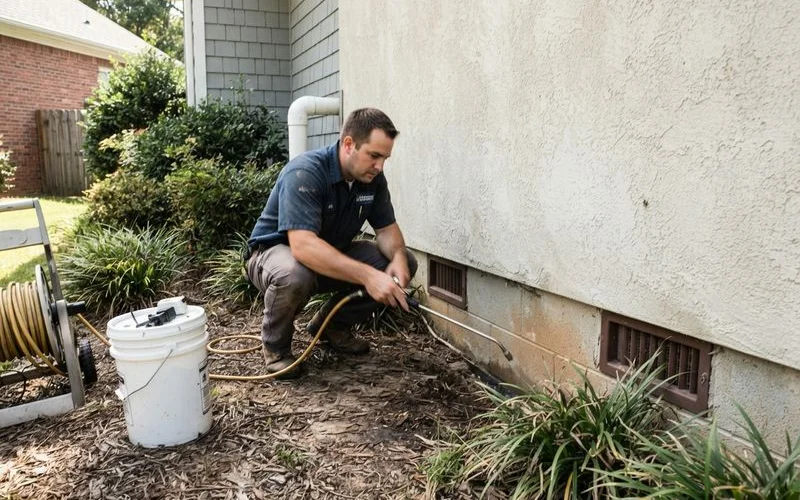
After the visit
Ask the technician what to expect over the following days, some pests take a week or two to fully clear as bait and residual products work. A good technician will explain what they found, what they treated, and what to watch for before the next scheduled visit. This is also the time to ask about the recurring schedule (quarterly versus monthly), since the first visit is often priced differently than maintenance visits after it.
What documentation you should receive
A reasonably thorough visit ends with more than a wave goodbye. Ask for a written summary of what was found and treated, either on paper or emailed, since this becomes useful if the same problem reappears and a technician on a later visit needs to know what was already tried. For a first visit especially, this record helps you track whether the schedule and approach are actually working over the following few visits, rather than relying on memory.
When DIY is enough, and when it is not
A single ant trail or an occasional spider sighting is often manageable with store-bought bait stations or spray, especially if it is an isolated incident rather than a recurring pattern. DIY tends to fall short when:
- The problem keeps recurring despite repeated store-bought treatment
- You cannot identify where pests are entering from
- The pest involved is termites, bed bugs, or wildlife, which typically need specialized equipment or licensed treatment
- The infestation has spread beyond a single room or area
If any of those apply, a professional inspection is usually worth the cost, since it identifies the actual entry points and extent of the problem rather than treating symptoms repeatedly without addressing the source.
To compare local providers offering general pest control inspections in the Tampa area, the general pest control category lists options with relevant service details.
For more on how this directory scores and ranks providers, see the ranking methodology. Visit the homepage for other Tampa pest topics.
Frequently asked questions
- How long does a first pest control visit take?
- A standard residential inspection and initial treatment commonly takes thirty minutes to an hour for an average home, longer if the technician finds extensive activity or the home is larger than average.
- Do I need to leave the house during treatment?
- Usually not for standard general pest treatment, though the technician may ask you to stay out of specific treated areas until they dry, and some specialty treatments, like bed bug heat treatment, do require vacating the home.
- What should I do to prepare for the visit?
- Clear access to baseboards, under sinks, and any known problem areas, move pet food and water bowls temporarily if asked, and make a list of where you have seen activity so the technician can focus the inspection efficiently.
- Will one visit solve the problem?
- For a light, contained issue, sometimes yes, but most plans are built around a recurring schedule because a single treatment does not address eggs or activity that was not visible on the first visit.