Rodent and wildlife exclusion: how professionals seal your home
By Ethan Silva · Updated 2026-06-09
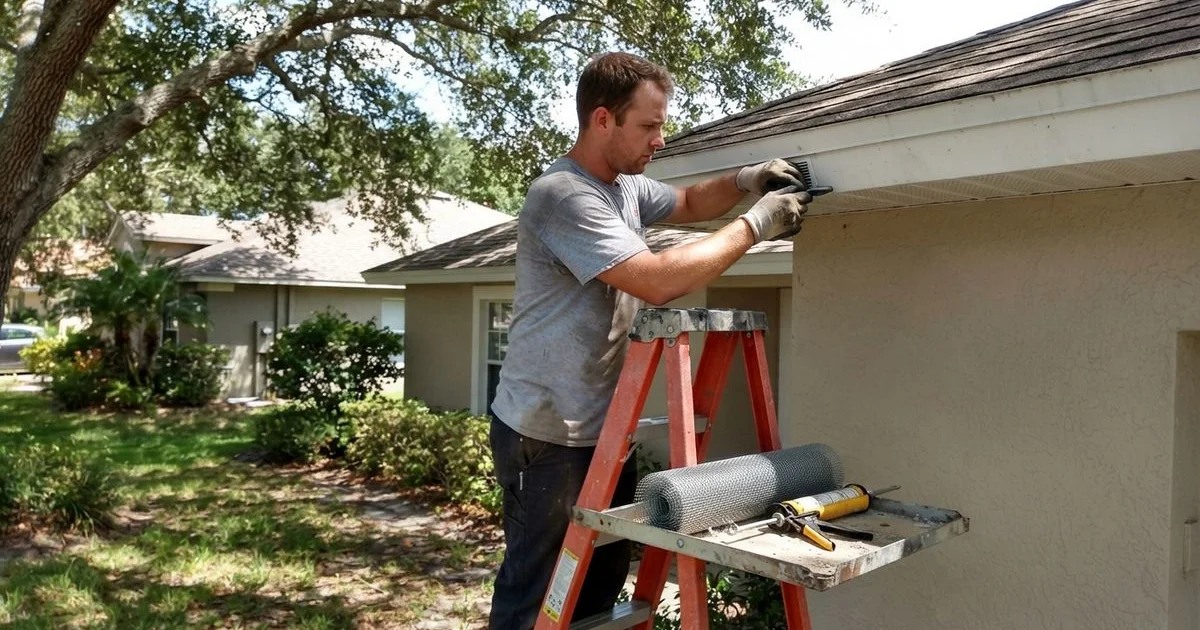
Trapping the raccoon in the attic solves today’s problem. It does not explain how the raccoon got there in the first place, or stop the next one. Exclusion is the part of rodent and wildlife control that deals with the entry points themselves, and it is usually the difference between a one-time fix and a problem that keeps coming back every few months.
What exclusion actually means
Exclusion is the practice of inspecting a structure for every gap, crack, vent, or roofline opening large enough for a target animal to use, then sealing each one with a material the animal cannot chew or pry through. For rodents, that can mean a gap as small as a quarter inch. For raccoons or larger wildlife, it usually means roof and soffit repairs, chimney caps, and vent covers.
Florida homes present a specific set of vulnerabilities: soffit gaps from age or storm damage, roof-to-wall junctions that were never fully sealed, plumbing and utility penetrations, and vents that lack proper screening. Older homes in established Tampa neighborhoods tend to need more exclusion work than newer construction, simply because more openings have developed over time.
The typical process, step by step
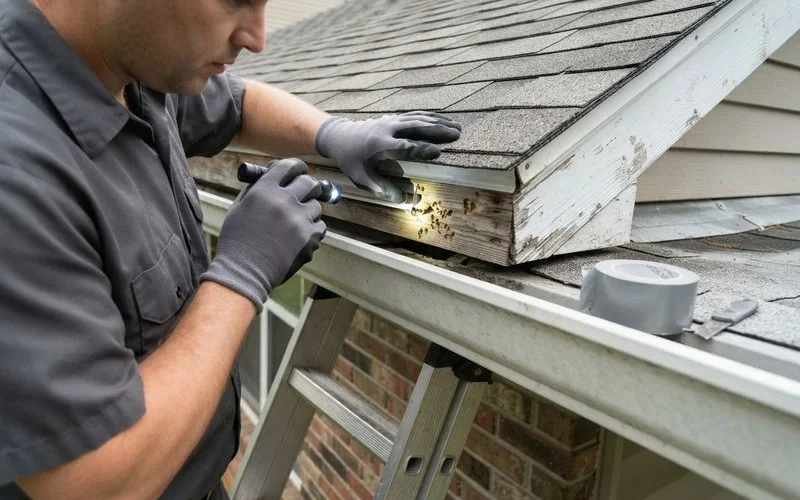
- Inspection. A technician walks the full exterior, roofline, attic, and crawlspace or foundation area, documenting every potential entry point, current damage, and signs of activity like droppings, gnaw marks, or nesting material.
- Removal first. If an animal is currently inside, it needs to come out before permanent sealing happens. Sealing an active entry point with an animal still inside creates a bigger problem, trapped animals can cause more damage trying to escape, or die inside a wall or attic space.
- Sealing. Openings get closed with materials matched to the animal and the location, galvanized mesh, sheet metal, hardware cloth, or masonry repair, since standard caulk or foam alone will not stop a determined rodent or raccoon.
- One-way devices where needed. For active dens that cannot be fully cleared before sealing, a one-way exit door lets animals leave but not return, so the space can be sealed permanently once it is confirmed empty.
- Follow-up check. A return visit confirms no new entry points have opened and no activity has resumed, usually a few weeks after the initial work.
What a job typically costs
Pricing scales with the scope of the work, not just the animal involved.
| Job size | What it typically includes | Reported range |
|---|---|---|
| Small | Dead animal removal, patching a single opening | $100-$200 |
| Medium | Trap setup, small repairs, a handful of entry points | $200-$400 |
| Large | Multiple entry points, full inspection, attic cleanup, several animals | $400 and up |
| Full attic exclusion after infestation | Complete exclusion plus decontamination | Can approach $5,000 in more involved cases |
Individual specialty jobs vary too. Snake removal has been reported around $800 in some cases, and mole removal with yard treatment has run over $800 depending on the extent of the lawn work involved. Get a written scope of work before agreeing to a price so you know exactly which entry points and repairs are covered.
Why exclusion matters more than a single trapping visit
A property with an unresolved entry point is not really solved, it is on a delay. Once one animal finds a gap and either dies, is trapped, or moves on, another will often find the same opening within weeks or months if it stays open. Exclusion converts a recurring wildlife problem into a one-time repair, which is usually cheaper over a year or two than paying for repeat trapping visits on the same house.
If you are dealing with an active rodent or wildlife issue and want to compare local providers who handle both trapping and exclusion, the rodent and wildlife control category lists options serving the Tampa area.
Questions worth asking before you hire
- Does the quote include a full exterior and roofline inspection, or just the area where activity was seen?
- What materials are used to seal openings, and are they warrantied against re-entry?
- Is there a follow-up visit included to confirm the fix held?
- If an animal is still inside, how is it handled before sealing happens?
Droppings, urine, and nesting material left behind by an animal that got in before exclusion happened carry their own risks; the health risks of a rodent infestation guide covers what those signs mean and when cleanup needs a professional rather than a homeowner with gloves and a trash bag.
DIY sealing versus hiring it out
Homeowners can seal small, obvious gaps themselves with the right hardware cloth and screws. Where DIY tends to fall short is thoroughness, missing a single roofline gap or an attic vent with a loose screen can mean the whole job fails, and climbing on a roof to inspect fascia and soffit lines is not something every homeowner is equipped or willing to do safely. For anything beyond patching a known small gap at ground level, a full professional exclusion inspection is worth the cost of avoiding a repeat problem.
For details on how this directory scores and ranks local providers, see the ranking methodology. Visit the homepage for more Tampa-area pest topics.
Frequently asked questions
- What is exclusion work, exactly?
- Exclusion is the process of finding and permanently sealing every gap, vent, and roofline opening an animal could use to enter a structure, done after any current animals inside have been removed, so the problem cannot simply repeat itself.
- How is exclusion different from just setting traps?
- Trapping addresses the animals already inside; exclusion addresses the openings that let them in, so the two are usually done together, trapping first or alongside sealing, since sealing an animal inside without removing it first can cause bigger problems.
- How much does exclusion cost?
- Smaller jobs like patching a single opening or dead animal removal often run in the $100 to $400 range, while larger jobs involving multiple entry points, attic cleanup, or several animals can run $400 and up, and full attic exclusion after a rodent problem has run close to $5,000 in some reported cases.
- Will exclusion work stop wildlife from ever coming back?
- Properly done exclusion closes off known and probable entry points, which stops the current pathway, but homes settle and materials age, so a yearly check of vents, roof edges, and utility penetrations helps catch new gaps before they become a repeat problem.
Related on this site
- Browse rodent & wildlife control providers
- Best rodent & wildlife control in Tampa FL →
- Health risks of a rodent infestation and when to call a professional
- After a storm: pest and rodent problems Tampa homeowners should watch for
- Bed bug treatment options compared: heat, chemical, and DIY
- What to expect from a pest control inspection, step by step
- All guides →