Health risks of a rodent infestation and when to call a professional
By Ethan Silva · Updated 2026-07-10
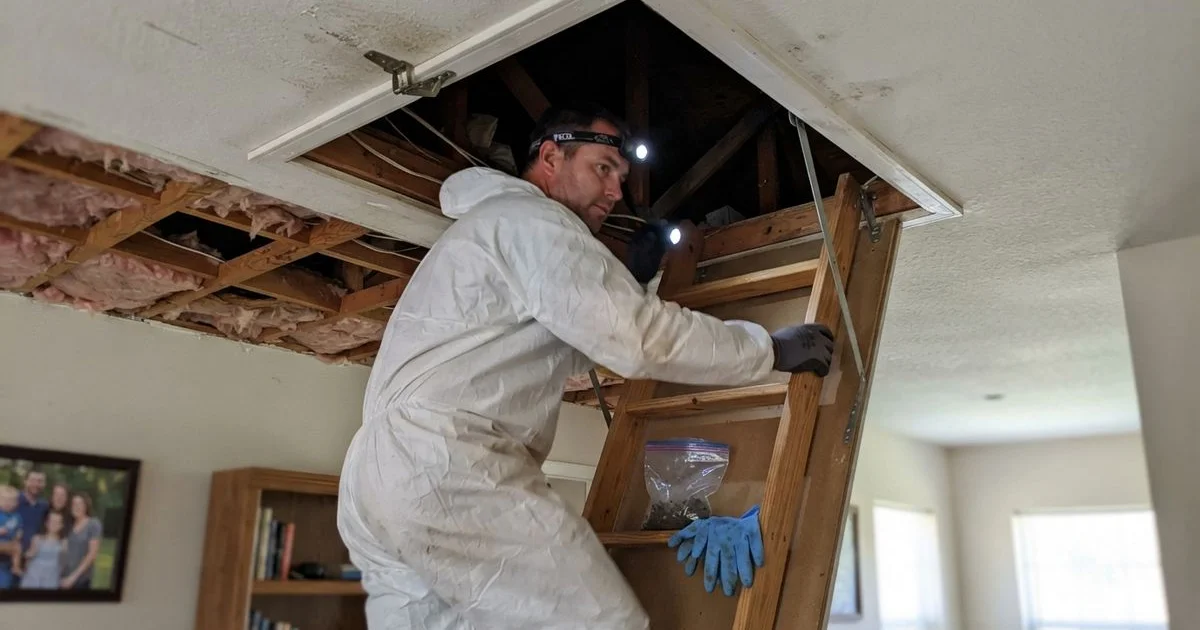
A rodent infestation is not just a property nuisance, it carries real health considerations that are worth understanding, both to gauge how urgently to act and to know what precautions matter during cleanup. This guide covers general health information, not medical advice.
What the actual health risks are
Pathogen exposure. Rodents can carry pathogens transmissible through droppings, urine, and occasionally bites. Direct contact, or disturbing dried droppings in a way that releases particles into the air, are the main routes of concern.
Respiratory and allergy effects. Rodent dander and droppings are a recognized allergen and asthma trigger, particularly relevant in enclosed spaces like attics or crawlspaces where ventilation is poor and material accumulates over time.
Secondary pest exposure. Rodents can bring fleas or mites into a structure, adding a second pest problem on top of the original one.
Food and surface contamination. Rodents contaminate stored food and food-prep surfaces they access, which is a meaningful concern in kitchens and pantries specifically.
Warning signs of an established problem
| Sign | What it suggests |
|---|---|
| Droppings in a consistent pattern | Active, recurring activity rather than a one-time visitor |
| Gnaw marks on food packaging, wiring, or structural wood | Ongoing feeding and nesting behavior |
| Scratching sounds in walls or attic at consistent times | Nesting activity, often more noticeable at night |
| Stale, ammonia-like odor in enclosed spaces | Accumulated urine and droppings in an area with poor airflow |
| Grease marks along baseboards or entry points | Repeated travel along the same route |
Safe cleanup practices
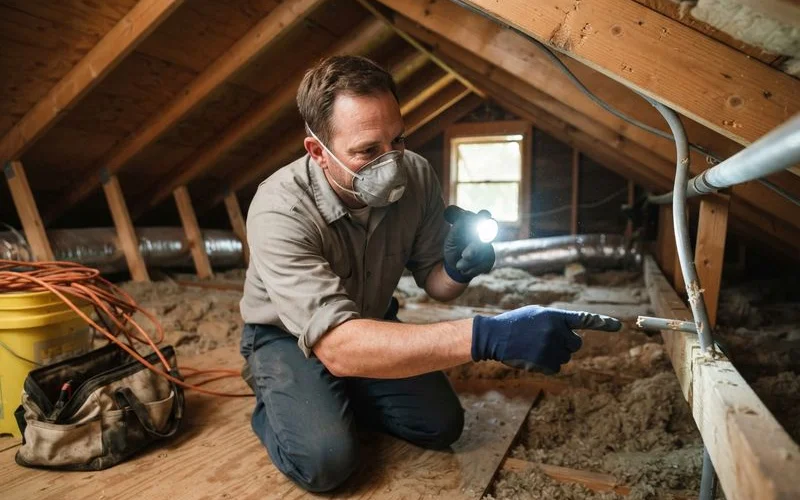
If you are cleaning up a small, confirmed rodent area yourself:
- Wear gloves and a mask before starting
- Avoid sweeping or vacuuming dry droppings, which can release particles into the air
- Spray the area with a disinfectant and let it sit before wiping it up
- Wash hands thoroughly afterward, even after wearing gloves
- Ventilate the area during and after cleanup
For larger or more extensive contamination, particularly in attics, crawlspaces, or areas with a strong odor, professional cleanup is generally the safer option, since it typically includes proper containment and disposal that is harder to do thoroughly without specialized equipment.
Kitchen and food storage precautions
Because rodents contaminate anything they access, food storage deserves specific attention during and after an infestation. Discard any opened food packaging that shows gnaw marks or droppings nearby, even if the food itself looks untouched, since contamination is not always visible. Store pantry staples in sealed containers going forward rather than original bags or boxes, which rodents chew through easily. Wipe down countertops and food-prep surfaces with disinfectant before resuming normal use, particularly in a kitchen where activity was confirmed.
DIY trapping versus calling a professional
Occasional, isolated rodent activity, a single mouse caught early, is often manageable with consumer traps and basic exclusion (sealing an obvious gap). A professional inspection becomes the better option when:
- Traps are not reducing activity after a couple of weeks of consistent effort
- Droppings or damage appear in multiple areas rather than one contained spot
- You cannot identify how rodents are entering the structure, which is where professional exclusion work comes in
- The infestation involves rats specifically, which tend to be more established and harder to fully clear with consumer-grade traps alone
A professional visit typically combines trapping with an inspection for entry points, addressing both the current activity and the underlying cause, which reduces the odds of the same problem recurring within a few months.
To compare local providers who handle rodent inspection, trapping, and exclusion in the Tampa area, the rodent and wildlife control category lists relevant options.
If you have specific health concerns related to rodent exposure, a physician can advise on any needed precautions or care.
For more on how this directory scores and ranks providers, see the ranking methodology. Visit the homepage for other Tampa pest topics.
Frequently asked questions
- What health risks do rodents actually carry?
- Rodents can carry pathogens transmissible through droppings, urine, and bites, and their presence is also linked to asthma and allergy flare-ups from dander and droppings, along with secondary risks like flea or mite exposure and contamination of stored food.
- How can I tell if I have a rodent problem versus a one-time visitor?
- Droppings in a consistent pattern, gnaw marks on food packaging or wiring, a persistent scratching sound in walls or the attic at consistent times, and a stale ammonia-like odor in enclosed spaces all point to an established problem rather than a single animal passing through.
- Is it safe to clean up rodent droppings myself?
- Use gloves and a mask, avoid sweeping or vacuuming dry droppings since that can aerosolize particles, and spray the area with disinfectant before wiping it up. For extensive contamination, especially in an attic or crawlspace, professional cleanup is generally safer and more thorough.
- When should I call a professional instead of handling it myself?
- If traps are not reducing activity after a couple of weeks, if droppings appear in multiple areas of the home, or if you cannot locate the entry point, a professional inspection typically resolves the underlying cause faster than continued DIY trapping.
Related on this site
- Browse rodent & wildlife control providers
- Best rodent & wildlife control in Tampa FL →
- Rodent and wildlife exclusion: how professionals seal your home
- After a storm: pest and rodent problems Tampa homeowners should watch for
- Mosquito-borne disease risk in Tampa: what residents should know
- Is pest control safe for kids and pets?
- All guides →