After a storm: pest and rodent problems Tampa homeowners should watch for
By Ethan Silva · Updated 2026-07-13
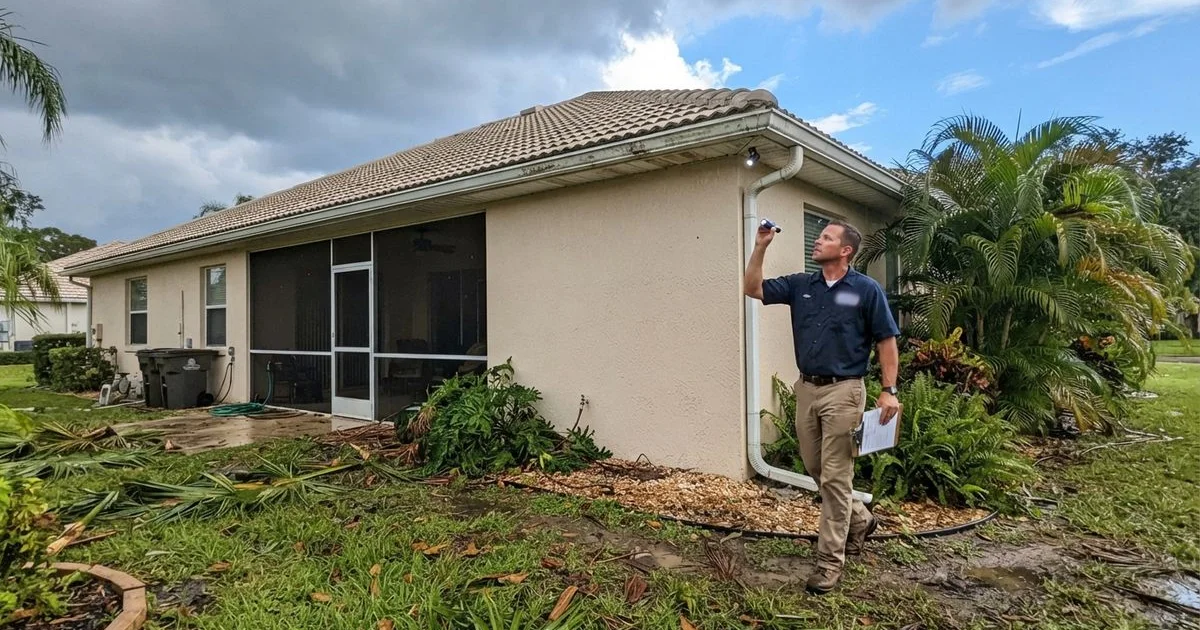
Tampa’s storm season brings a predictable second wave of problems after the wind and rain pass: displaced wildlife looking for dry shelter, new gaps in the structure from wind damage, and standing water that turns into a mosquito problem within days. Knowing what to check first makes the post-storm cleanup more manageable.
Why pest activity spikes after a storm
Flooding and heavy rain push ground-level animals, rodents, snakes, and other wildlife out of their normal burrows and low-lying habitat. They move toward higher, drier ground, and a home with any accessible gap becomes an appealing option. At the same time, storm damage, missing shingles, torn soffit, downed fencing, often creates new entry points that were not there before the storm.
Separately, standing water left behind by heavy rain becomes a mosquito breeding site quickly, often producing new adult mosquitoes within about a week, so the same storm that displaces rodents also sets up the next mosquito problem.
What to check first, in order
- Standing water around the property. Clogged gutters, pooled water in tarps or debris, and low spots in the yard should be addressed within the first few days, since mosquito breeding starts fast.
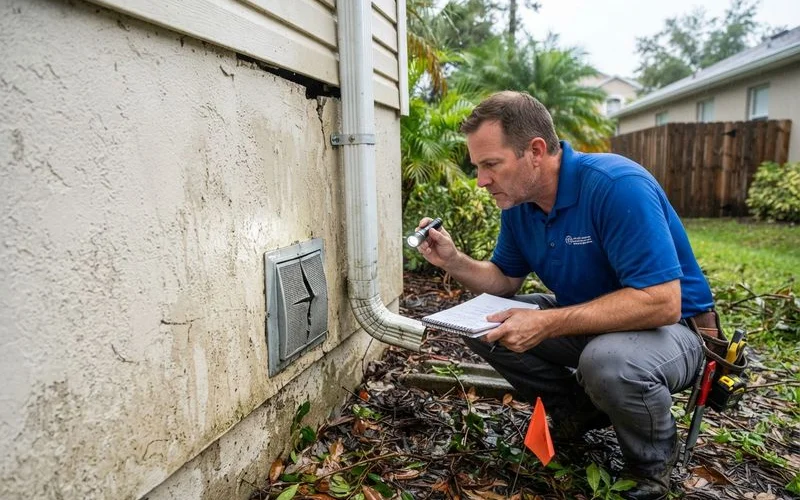
- New gaps in the exterior. Walk the roofline, soffit, and foundation for damage the storm caused, torn screening, lifted shingles, gaps where fencing or landscaping shifted.
- Signs of new rodent or wildlife activity. Droppings, gnaw marks, or scratching sounds that were not present before the storm suggest an animal found its way in during or after the event.
- Debris piles. Storm debris left in the yard, downed branches, waterlogged materials, can become shelter for rodents and other pests if left too long before cleanup.
| Priority | What to check | Typical timeline |
|---|---|---|
| 1 | Standing water sources | Within days, before mosquitoes breed |
| 2 | New exterior gaps from storm damage | First week |
| 3 | Signs of new rodent or wildlife entry | First week |
| 4 | Debris pile removal | As soon as safely possible |
Safety notes for post-storm cleanup
Displaced wildlife can behave differently than usual when stressed or cornered, an animal that would normally avoid people may act unpredictably if it feels trapped inside a structure. Avoid cornering or handling an animal directly; contact a wildlife control provider if one has gotten inside rather than attempting removal yourself, especially for anything larger than a rodent.
Standing water after a storm can also hide debris, downed lines, or contamination, so use caution when clearing it rather than treating cleanup as a simple chore.
How long the increased activity typically lasts
Mosquito pressure from a single storm event tends to peak within the first one to two weeks after the water sits, then tapers as standing water evaporates or is removed, assuming no follow-up rain restarts the cycle. Rodent and wildlife pressure can linger longer, since a displaced animal that successfully found shelter in a structure does not necessarily leave once conditions outside improve. This is part of why the exterior gap check matters even after the immediate storm cleanup is done: an animal that got in during the event can stay for months if the entry point is never closed.
Insurance documentation is worth a mention here too. If storm damage to the roofline or exterior created the entry point that let wildlife in, photographing that damage before repairs happen can matter for a homeowners insurance claim, separate from any pest control cost. Pest damage itself is generally not a covered loss, but the storm damage that caused it sometimes is, so keep those two claims distinct when talking to an adjuster.
When to call a professional versus handling it yourself
Clearing debris and dumping standing containers is reasonable DIY work. A confirmed animal inside the structure, extensive new gaps in the roofline or foundation, or signs of an established rodent problem that appeared right after the storm are situations where a professional inspection is worth calling in, since storm-related entry points are easy to miss without a thorough exterior check.
To find local providers who handle post-storm rodent and wildlife issues in the Tampa area, the rodent and wildlife control category lists relevant options.
For more on how this directory scores and ranks providers, see the ranking methodology. Visit the homepage for other Tampa pest topics.
Frequently asked questions
- Why do pest problems get worse after a storm?
- Heavy rain and flooding displace wildlife and rodents from their normal outdoor habitat, pushing them toward higher, drier ground, which often means your home, while standing water left behind creates new mosquito breeding sites within days.
- How soon after a storm should I check for pest activity?
- Within the first week is reasonable for a walk-around inspection, checking for new gaps from wind or debris damage, standing water, and any signs rodents or wildlife have already gotten inside during or after the storm.
- Are rodents more likely to enter a home after flooding?
- Yes. Rising water displaces rodents from burrows and low-lying areas, and they seek dry, elevated shelter, which frequently means attics, garages, and wall voids in nearby homes, especially if storm damage created new entry points.
- What should I prioritize first after a storm, mosquitoes or rodents?
- Standing water and mosquito breeding sites develop fastest, often within a week, so address those first, while a full exterior check for new rodent or wildlife entry points can follow shortly after once immediate safety and water concerns are handled.
Related on this site
- Browse rodent & wildlife control providers
- Best rodent & wildlife control in Tampa FL →
- Rodent and wildlife exclusion: how professionals seal your home
- Health risks of a rodent infestation and when to call a professional
- Getting your yard ready for mosquito season in Tampa
- Preparing your home for termite swarming season in Florida
- All guides →