Mosquito-borne disease risk in Tampa: what residents should know
By Ethan Silva · Updated 2026-06-20
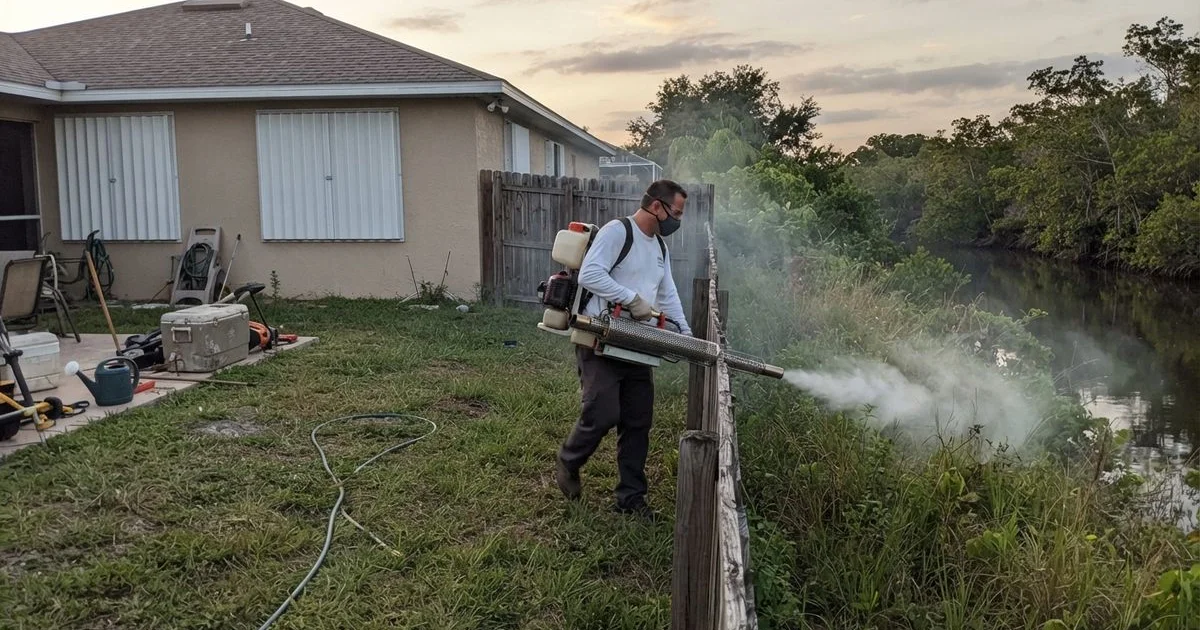
Tampa’s warm, wet climate is good for mosquitoes and not much else, which is why mosquito-borne disease is a genuine, if generally low-probability, consideration for anyone living here rather than a distant hypothetical.
This guide covers general prevention information, not medical advice. If you or a family member develops fever, rash, joint pain, or other symptoms after mosquito exposure, contact a healthcare provider.
What actually circulates in this area
Florida sees a mix of locally transmitted and travel-associated mosquito-borne illness each year, with activity levels that shift by season and by county:
- West Nile virus: the most consistently reported locally transmitted mosquito-borne illness in Florida, typically causing mild or no symptoms in most people, though it can occasionally cause more serious illness.
- Eastern equine encephalitis (EEE): rarer than West Nile but more severe when it occurs, and monitored closely by state health officials, particularly around horse populations as an early indicator.
- Dengue: Florida has seen periodic locally acquired dengue cases in certain years, generally clustered rather than widespread, alongside travel-associated cases.
- Zika and chikungunya: mostly seen in Florida as travel-associated cases in people who were exposed elsewhere, with local transmission historically rare and closely monitored when it occurs.
Local county health departments issue mosquito-borne illness alerts and surveillance updates when activity is detected, and those updates are a more current and authoritative source on real-time risk than any general guide.
Which mosquitoes carry which risk
Not all mosquitoes behave the same way, which matters for prevention.
| Mosquito type | Typical breeding habits | Associated disease risk |
|---|---|---|
| Aedes species | Small containers, close to structures, active during the day | Dengue, Zika, chikungunya |
| Culex species | Larger stagnant water sources, active at dusk and night | West Nile virus |
If you are seeing daytime mosquito activity right around your home, standing water removal close to the house (plant saucers, gutters, buckets) is the step that matters most. If activity is worse at dusk and near larger water features, ditches, retention ponds, larger sources further from the home become more relevant.
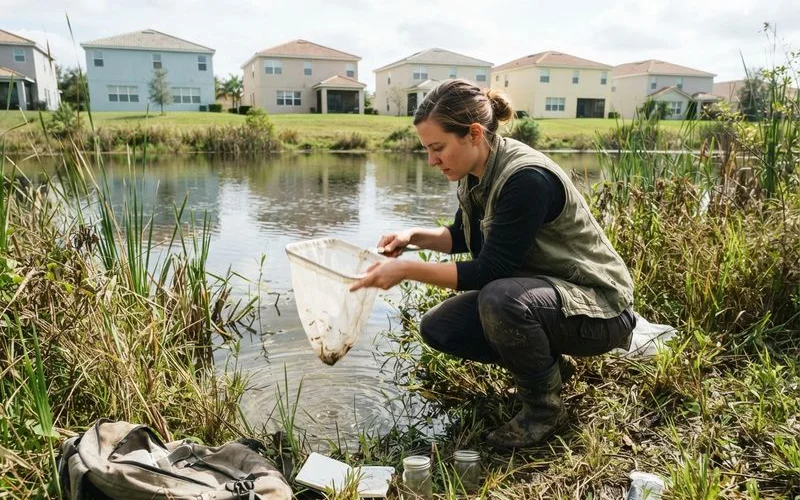
Practical steps that reduce real risk
- Remove standing water on your property weekly during the warm months
- Use EPA-registered repellents when outside during peak activity times, dawn and dusk especially for Culex species, daytime too for Aedes
- Keep window and door screens in good repair
- Consider a professional barrier treatment plan if your yard borders woods, water, or has heavy vegetation
- Watch for local health department alerts, especially after unusually wet weather, since standing water spikes shortly follow heavy rain
Protecting yourself if you rent or have limited yard control
Not everyone can treat a yard directly, apartment and condo residents in particular. If standing water on shared property, a clogged shared gutter, a neglected retention pond, is contributing to mosquito activity around your unit, report it to property management in writing, since common-area maintenance is typically their responsibility. For personal protection in the meantime, screens in good repair, repellent use during peak hours, and avoiding leaving doors propped open at dusk cover most of what an individual renter can control directly.
When to consider professional treatment versus DIY
Prevention steps above go a long way for typical residential risk. Properties with heavy mosquito pressure, frequent standing water sources that cannot be eliminated (drainage easements, ponds), or households with young children, older adults, or anyone with a compromised immune system spending significant time outdoors may get more value from a recurring professional barrier treatment than DIY prevention alone, since consistency of coverage matters more for risk reduction than any single treatment.
To compare local providers offering mosquito control plans in the Tampa area, the mosquito control category lists options with relevant service details.
For more on how this directory reviews and ranks providers, see the ranking methodology. Visit the homepage for other Tampa pest topics.
Frequently asked questions
- Which mosquito-borne diseases occur in the Tampa area?
- Florida has documented locally acquired cases of West Nile virus, Eastern equine encephalitis, and occasionally dengue in certain years, along with imported cases of Zika and chikungunya in travelers. Local health departments track and report on active cases and issue alerts when risk rises.
- How worried should I actually be?
- For most residents, the practical risk from any single mosquito bite is low, and severe illness is uncommon, but Florida's climate supports mosquito activity nearly year-round, so consistent prevention matters more here than in places with a short mosquito season.
- Are certain mosquitoes more of a disease risk than others?
- Yes. Aedes species, which breed in small amounts of standing water close to homes, are more associated with dengue and Zika transmission, while Culex species are more associated with West Nile virus, and identifying which type is active on a property can shape which control approach makes sense.
- Where can I check for current mosquito-borne illness activity in the Tampa area?
- The Florida Department of Health and Hillsborough County's health department publish arbovirus surveillance updates and issue mosquito-borne illness alerts when local activity is detected, which is a more current source than general prevention guides like this one.